

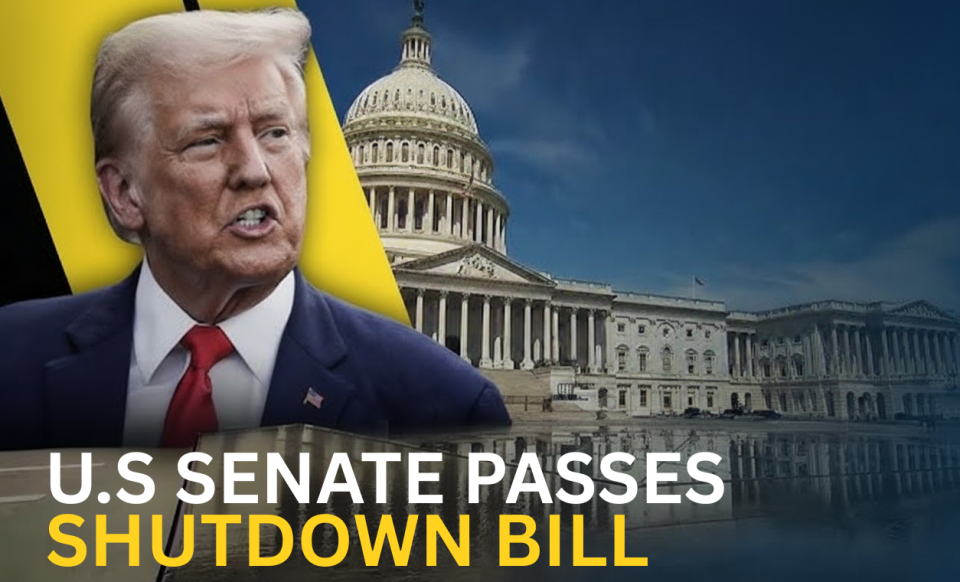
WASHINGTON, D.C. — After 40 days of deadlock that furloughed hundreds of thousands of federal workers, disrupted food aid for millions, and led to flight cancellations at major airports, the U.S. Senate voted 60-40 on Monday to pass a bipartisan funding package aimed at reopening the federal government. The measure now heads to the House, where a vote could come as early as Wednesday, followed by President Trump’s signature to take effect.
The compromise, brokered by a group of moderate senators including Sens. Angus King (I-Maine), Jeanne Shaheen (D-N.H.), and Maggie Hassan (D-N.H.), breaks the impasse over spending cuts and health care subsidies. It combines a short-term funding extension with targeted full-year appropriations, while addressing immediate shutdown fallout. Here’s a breakdown of the key provisions:
Core Funding Extensions
- Continuing Resolution (CR) for Most Agencies: Funds the bulk of federal operations at pre-shutdown levels through January 30, 2026. This avoids an immediate lapse but sets up potential negotiations for the next fiscal year.
- Full-Year Appropriations for Priority Areas: Includes three completed spending bills to permanently fund:
- Department of Agriculture (USDA) and Food and Drug Administration (FDA): Covers food safety inspections, rural development, and programs like SNAP (Supplemental Nutrition Assistance Program), which saw partial payments during the shutdown.
- Department of Veterans Affairs (VA): Ensures full operations for health care, benefits, and support for over 9 million veterans.
- Military Construction and Congress: Funds base projects, infrastructure, and legislative branch activities for the entire fiscal year.
These elements stem from months of bipartisan negotiations between appropriators, providing stability for essential services hit hardest by the shutdown.
Protections for Federal Workers
The bill directly tackles the human cost of the standoff, which left about 2 million civilian federal employees without pay and prompted controversial firings:
- Back Pay Guarantee: Mandates retroactive compensation for all furloughed or working-without-pay employees, as required by law.
- Ban on Reductions in Force (RIFs): Prohibits layoffs or staff cuts in any department or agency until the funding expires on January 30, 2026. This reverses recent White House actions that terminated thousands during the shutdown and protects against further downsizing.
- Reinstatement of Wrongfully Terminated Workers: Requires immediate rehiring for those let go amid the crisis.
Senate Majority Leader John Thune (R-S.D.) noted the urgency: “After 40 long days, I’m hopeful we can bring this shutdown to an end.” The vote saw eight Democrats — including Sens. Dick Durbin (D-Ill.), Tim Kaine (D-Va.), John Fetterman (D-Pa.), and Catherine Cortez Masto (D-Nev.) — join Republicans, minus Sen. Rand Paul (R-Ky.), who opposed it over debt concerns.
Health Care Compromise
Democrats’ push to tie funding to a one-year extension of enhanced Affordable Care Act (ACA) subsidies — set to expire December 31 and potentially raising premiums for millions — fell short. In exchange for support:
- Republicans pledged a Senate floor vote by mid-December on standalone ACA subsidy legislation.
This deferral drew criticism from Senate Minority Leader Chuck Schumer (D-N.Y.), who voted against the bill, but moderates like Sen. King argued the shutdown’s toll on air travel, food assistance, and workers demanded action now.
Broader Impacts Addressed
The shutdown, the longest in U.S. history (surpassing the 2018-19 record of 35 days), triggered widespread disruptions:
- SNAP Benefits: Partial November payments for 41 million recipients; full restoration expected upon passage.
- Air Travel: FAA-mandated cuts at 40 major airports, including 10% reductions in airspace capacity starting November 7; relief for overworked, unpaid air traffic controllers.
- Economic Strain: Warnings of potential negative GDP growth in Q4, per White House advisers.
If approved by the House — where Speaker Mike Johnson (R-La.) expressed optimism — and signed by Trump, the bill would restore operations in time for Thanksgiving travel. The American Federation of Government Employees urged quick House action, calling it essential for workers’ stability.
This fragile truce caps a partisan fight over spending and the ACA but signals more debates ahead as January approaches. For updates, follow congressional proceedings on congress.gov.
