

WASHINGTON — A U.S. military operation targeting an alleged drug-trafficking vessel in the Caribbean has triggered bipartisan concern after new reports claimed a follow-up strike was carried out on survivors left floating in open water. The allegations have set off congressional inquiries and revived questions about the legality of the Trump administration’s expanding maritime counterdrug campaign.
What Happened on Sept. 2
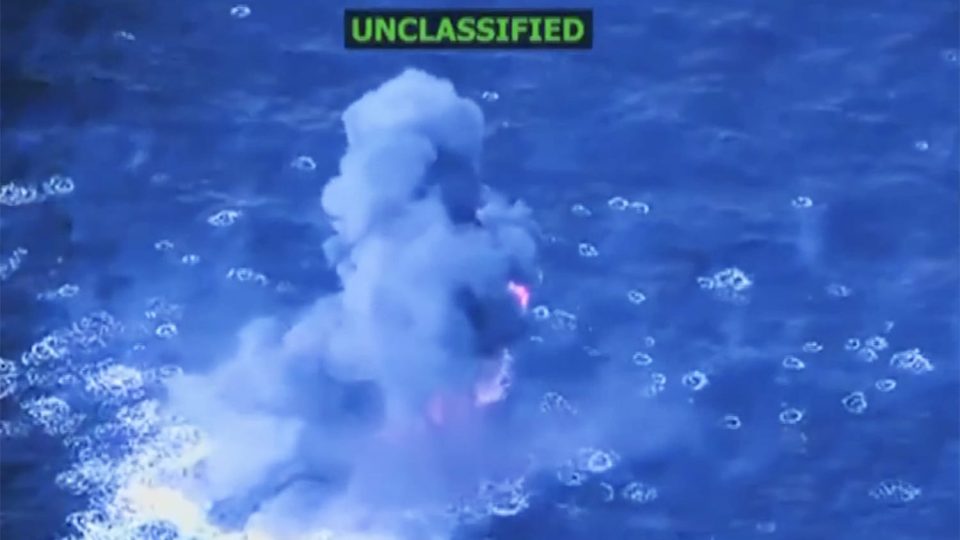
The operation in question occurred on Sept. 2, when U.S. forces struck a vessel off the coast of Venezuela that officials said was being used for narcotics trafficking. The first strike reportedly killed nine individuals aboard.
Two survivors remained alive in the water, clinging to wreckage. According to reporting that surfaced last week, a second strike was ordered shortly afterward, killing those survivors as well.
Administration officials have defended the broader mission, describing it as part of a sustained effort to combat cartel-linked drug shipments and asserting that the U.S. is engaged in an “armed conflict” with such groups. However, they have denied that any unlawful directive to “leave no survivors” was issued.
Legal Concerns Emerge
The legality of the second strike is at the center of the controversy.
Legal scholars and former military attorneys say that — regardless of how the conflict is classified — targeting individuals who are incapacitated and pose no immediate threat is prohibited under both international humanitarian law and longstanding U.S. military rules.
Even in wartime, killing shipwrecked individuals who are no longer participating in hostilities is expressly forbidden. If the U.S. is not in an armed conflict with cartels, the action could fall under peacetime law, where lethal force is allowed only in the presence of an imminent threat.
Those questions are now being taken up formally by Congress.
Congressional Leaders Respond
Members of both parties signaled concern after the report surfaced, issuing statements and calling for full investigations:
- Senate Armed Services Committee leadership — including both the Republican chairman and the Democratic ranking member — announced the committee will conduct a detailed review of the strike, saying the circumstances warrant “vigorous oversight.”
- Sen. Mark Kelly, himself a military veteran, said the situation raises serious questions about what orders were given and whether service members were put in a position to violate U.S. or international law. Kelly is already under internal review for previously advising service members to reject unlawful orders, which gives his remarks added weight in this debate.
- Sen. Thom Tillis said the government must determine whether personnel were instructed — directly or indirectly — to conduct a second strike on individuals who could no longer defend themselves. He described such an action, if confirmed, as a breach of “ethical, moral, or legal standards.”
- Senate Majority Leader John Thune voiced support for continuing counterdrug operations but agreed that the alleged second strike must be fully examined.
These responses are notable not only for their bipartisan nature, but also for the willingness of lawmakers to question the framework under which the military has been operating.
White House and Pentagon Position
The White House said the second strike was ordered by the on-scene commander and insisted it complied with established rules of engagement. Officials denied that any instruction was issued to eliminate survivors and reiterated that the operation fits within the administration’s legal theory that the U.S. is engaged in a conflict against cartel networks.
The Pentagon has not publicly commented beyond acknowledging ongoing internal reviews.
What Comes Next
Multiple investigations — both internal and congressional — are now underway to determine:
- Whether the survivors posed any threat
- What instructions were given before and after the first strike
- Whether military personnel acted within legal boundaries
- Whether the administration’s “armed conflict with cartels” framework has a lawful basis
The debate is likely to intensify as lawmakers receive classified briefings and as oversight committees begin interviewing military and civilian officials.
For now, the incident has become one of the most consequential tests to date of the administration’s aggressive counterdrug strategy — and of the limits of military authority in operations that blur the line between criminal enforcement and armed conflict.
