

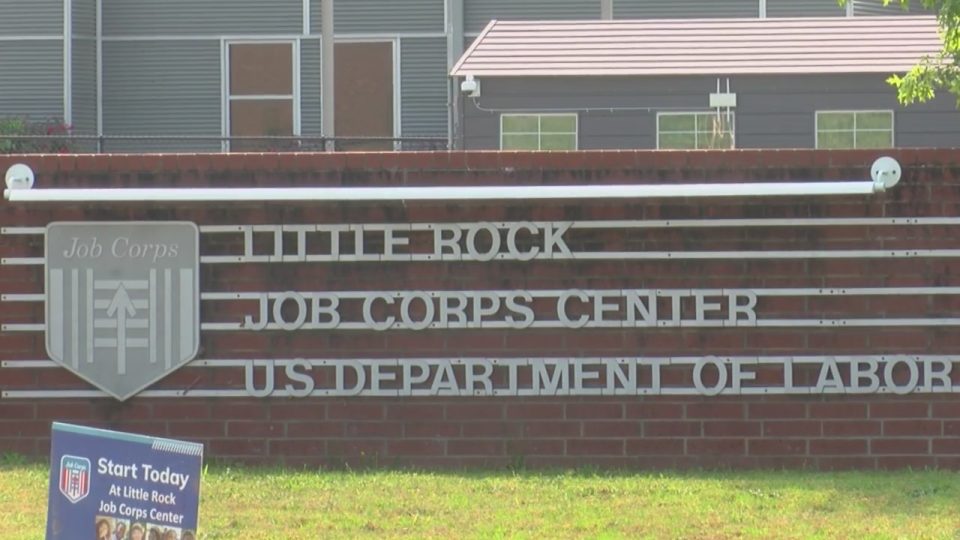
Washington, D.C. – On May 29, 2025, the U.S. Department of Labor announced a phased pause of operations at all 99 contractor-operated Job Corps centers nationwide, with closures set to be complete by June 30, 2025. The decision, driven by significant financial deficits and concerns over program outcomes, has sparked widespread concern among students, staff, and communities that rely on the program’s vocational training and support services.
A Program in Crisis
Job Corps, established in 1964, has long been a cornerstone of federal youth workforce development, offering at-risk young adults aged 16 to 24 education, job training, and essential services like housing, meals, and medical care. The program has served over 2 million students, providing pathways to careers in trades such as construction, culinary arts, welding, and cosmetology. However, recent financial and operational challenges have led to its abrupt suspension.
According to the Department of Labor, Job Corps operated at a $140 million deficit in 2024, with projections estimating a ballooning $213 million shortfall in 2025. A Job Corps Transparency Report released in April 2025 highlighted a low average graduation rate of approximately 38.6%, alongside a “startling number” of serious incident reports, raising concerns about student safety and program effectiveness. These findings, coupled with a nearly $100 million budget cut for fiscal year 2025, prompted the decision to pause operations, aligning with President Donald Trump’s 2026 budget proposal to eliminate the program entirely.
Impact on Students and Staff
The closure affects thousands of students and over 12,500 employees nationwide. Centers like the Shreveport Job Corps in Louisiana, which serves nearly 300 students, and the Montgomery Job Corps in Alabama, with over 150 students and 100 employees, are among those facing immediate disruption. Many students, particularly those who rely on Job Corps for housing and basic needs, now face uncertain futures. In Albany, Georgia, nearly 20% of the 510 students at the Turner Job Corps Center are homeless, amplifying fears of displacement.
Students like Angelica Tyler, a recent culinary arts graduate from the Tulsa Job Corps, expressed devastation. “It was tears, it was just sorrow,” she said, describing the emotional toll of the announcement. Others, like Emma Willoughby at the Earle C. Clements Job Corps in Kentucky, credited the program with securing job offers but worried for peers who may end up “on the streets” without alternatives.
Staff members are equally affected, with many facing unemployment by June 30. Nakisha Williams, director of the Gulfport Job Corps Center, called the news “devastating” for both students and staff, urging policymakers to reconsider the closure. Community leaders, like Vice Chairwoman Ursula Bowman in Shreveport, emphasized the program’s role in supporting local economies through skilled labor and community partnerships.
Community and Political Response
The announcement has drawn sharp criticism from advocates and elected officials. U.S. Congresswoman Frederica Wilson of Florida plans to testify before the Education Committee to defend the Miami Job Corps Center, which has served hundreds of at-risk youth annually. “Job Corps centers have saved the lives of juveniles and adolescents for generations,” a statement from Miami highlighted, underscoring the program’s role as a critical prevention tool.
Social media posts on X reflect public outrage and fear. One user lamented, “Young people trying to better themselves are now shit out of luck because we need to fund tax cuts for the rich.” Another highlighted the program’s wraparound services, like free dental care and counseling, calling the closure “unfair” for vulnerable youth. An online petition to save Job Corps has also gained traction, signaling grassroots efforts to reverse the decision.
Efforts to Mitigate the Fallout
The Department of Labor has pledged to connect students with alternative workforce training programs, such as those offered through American Job Centers and state labor exchange systems. However, the availability of comparable services remains unclear, with many centers like Westover Job Corps in Chicopee, Massachusetts, noting that no other program replicates Job Corps’ residential model and comprehensive support.
Some regions are exploring alternatives. In Excelsior Springs, Missouri, local leaders have floated ideas like public-private training partnerships or repurposing the Job Corps campus for junior college use. Despite these efforts, the loss of Job Corps is expected to ripple through local economies, particularly in rural areas where centers are major employers.
A Call for Action
As the June 30 deadline looms, affected communities are rallying to save the program. Graduates and advocates argue that Job Corps’ impact—transforming lives through education and job skills—cannot be overstated. “This isn’t just about training; it’s about giving kids a chance who have nowhere else to go,” said Tamica Shaw, a Philadelphia parent whose son was enrolled in the program.
While the Trump administration has labeled Job Corps a “failed experiment,” its participants and supporters vehemently disagree, pointing to decades of success stories. The coming weeks will be critical as advocates, including students, staff, and elected officials, push to preserve the program or secure viable alternatives for its vulnerable beneficiaries.
