

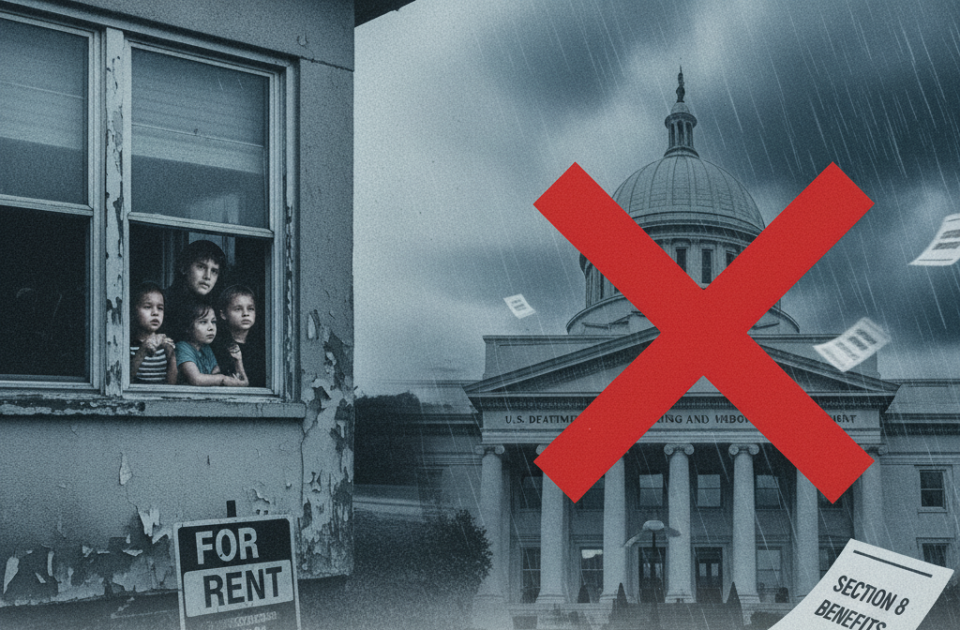
The ongoing U.S. government shutdown, now in its fourth week as of October 28, 2025, has created uncertainty for millions relying on federal programs, including the Section 8 Housing Choice Voucher program administered by the U.S. Department of Housing and Urban Development (HUD). Section 8 provides rental subsidies to low-income families, seniors, veterans, and people with disabilities, covering a portion of rent (typically up to 70%) based on income, with tenants paying the rest (usually no more than 30% of their earnings). While immediate disruptions are limited due to pre-allocated funds, a prolonged shutdown could strain the system. Here’s a breakdown of the key impacts and steps to take.
Current Status of Payments and Funding
- Payments for existing vouchers are secure for now: HUD has confirmed that Housing Assistance Payments (HAP) to landlords for current Section 8 voucher holders will continue through at least mid-November 2025, with some regions reporting coverage extending into December. This is possible because funds were obligated prior to the shutdown, allowing local Public Housing Authorities (PHAs)—which manage the program—to disburse them without interruption. For example, in Fresno County, California, the local housing authority assured 30,000 residents that subsidies will cover rent through the end of the year.
- No evictions tied to shutdown delays: Landlords cannot evict tenants or withhold the subsidized portion of rent if payments are delayed due to the shutdown. Federal law requires landlords to accept delayed HAP funds once they arrive, and any such payments must be reimbursed retroactively. State and local fair housing laws also prohibit discrimination against voucher holders, even during federal disruptions.
Potential Risks If the Shutdown Continues
If the impasse between Congress and the administration drags on beyond November, reserves could deplete, leading to broader issues. Here’s what might happen:
| Risk | Description | Timeline |
|---|---|---|
| Delayed or halted lease renewals | PHAs may struggle to process renewals for expiring contracts, forcing tenants to cover full rent temporarily or risk eviction. | Late November onward |
| No new vouchers issued | Applications for new assistance will be paused, closing doors for those on waitlists or seeking initial aid. | Immediate, but worsens with duration |
| Paused inspections and services | Routine unit inspections, portability (moving with vouchers), and administrative support will halt, potentially delaying moves or compliance checks. | Ongoing |
| Landlord opt-outs | Some property owners may stop accepting vouchers due to payment fears, reducing housing options—though this is illegal in source-of-income protected states like California. | If shutdown exceeds 30-60 days |
| Broader funding shortfalls | Project-based Section 8 (tied to specific buildings) could face gaps after December if contracts expire without renewal. Public housing (Section 9) funds may run out post-November. | December+ |
About 2.3 million households nationwide use Section 8, with roughly 25% involving people with disabilities. A shutdown lasting over a month could exacerbate evictions and homelessness, especially amid rising rents.
Steps to Protect Yourself
- Pay your share on time: Tenants must continue covering their portion of rent to avoid personal eviction risks, even if facing shutdown-related hardships like furloughs.
- Contact your PHA immediately: Local agencies (find yours at hud.gov) remain operational and can provide personalized updates. Ask about your voucher status, renewal dates, and contingency plans.
- Communicate with your landlord: Share PHA confirmations of funding to build trust. If issues arise, document everything.
- Seek legal help if needed: Free assistance is available via Legal Services Corporation (lsc.gov) or LawHelp.org for disputes like rent hikes or threats. The National Housing Law Project offers shutdown-specific flyers in English and Spanish.
- Explore backups: Check state/local programs (e.g., California’s emergency rental aid) or nonprofits like the National Low Income Housing Coalition for support. If you’re a federal employee affected by the shutdown, HUD has resources for delayed payments.
- Stay informed: Monitor HUD’s contingency plan (hud.gov/shutdown) and news from reliable sources. The shutdown’s end depends on congressional action, but advocates urge quick resolution to avoid deeper cuts.
While Section 8 has weathered past shutdowns (e.g., 2018-2019) through reserves, this one’s length—now the second-longest—heightens risks. Prioritize communication and documentation to safeguard your housing stability. If your situation changes, reach out to your PHA for real-time guidance.
