

As summer temperatures soar, meteorologists and farmers alike are increasingly focusing on a phenomenon known as “corn sweat.” This process plays a significant role in local weather patterns, particularly in the Midwest, where vast fields of corn can subtly influence the atmosphere. But what exactly is corn sweat, and why does it matter?
What is Corn Sweat?
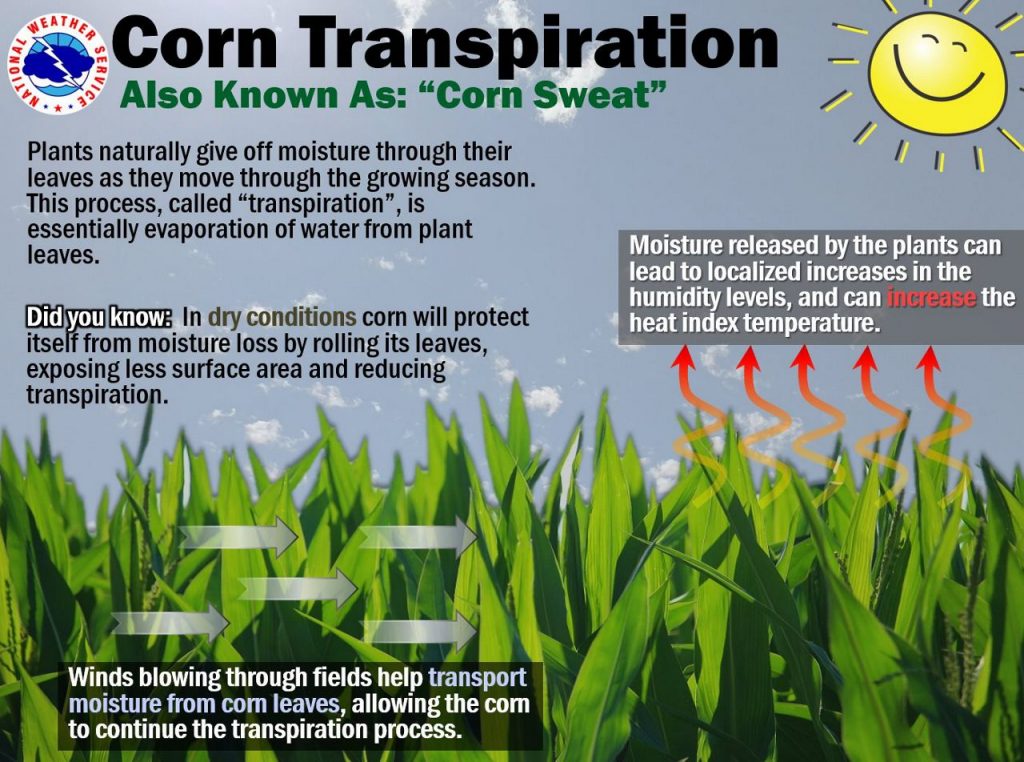
“Corn sweat” refers to the process of transpiration in corn plants, where water absorbed by the roots is released into the atmosphere through tiny pores on the leaves called stomata. This release of moisture into the air can significantly increase humidity levels in the surrounding area, particularly during the peak growing season in late summer.
Corn plants are highly efficient at absorbing water, which they need in large quantities to grow. During hot and sunny days, the plants release much of this water into the atmosphere. In areas with dense cornfields, this collective release of moisture can create a noticeable rise in humidity, contributing to a phenomenon known as “corn sweat.”
How Corn Sweat Affects Weather
The additional moisture from corn sweat can impact local weather conditions in several ways:
- Increased Humidity: The primary effect of corn sweat is an increase in humidity. This can make hot days feel even more oppressive, as the higher moisture content in the air hinders the body’s ability to cool itself through sweat evaporation.
- Potential for Severe Storms: The added humidity from corn sweat can also contribute to the development of thunderstorms. Warm, moist air is a key ingredient in thunderstorm formation, and corn sweat can provide the extra moisture needed to fuel these storms. This is particularly relevant in the Midwest, where cornfields are abundant.
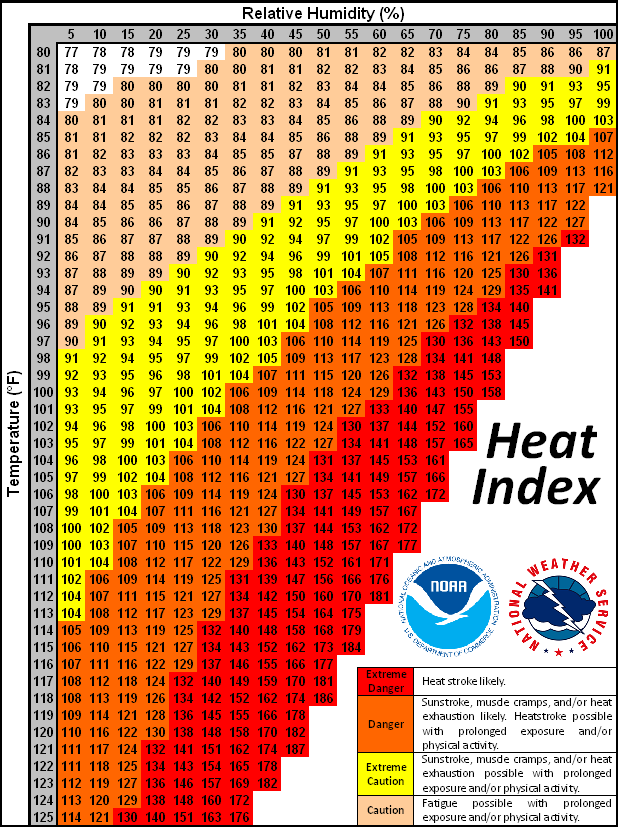
- Heat Index: The heat index, which measures how hot it feels to humans by combining temperature and humidity, can be significantly elevated in areas experiencing corn sweat. This can lead to dangerous conditions, particularly for vulnerable populations such as the elderly and those with respiratory issues.
Why It Matters
Understanding corn sweat is crucial for both meteorologists and farmers. For meteorologists, accounting for the effects of corn sweat can improve weather forecasts, particularly in predicting heat waves and storm development. For farmers, managing irrigation and understanding how their crops contribute to local weather patterns can help optimize growing conditions and mitigate risks.
As climate change continues to affect weather patterns globally, phenomena like corn sweat are becoming more important to monitor. By paying close attention to how our agricultural practices interact with the environment, we can better prepare for the challenges of a warming world.
Conclusion
Corn sweat may sound like a curious term, but it has real implications for summer weather, especially in regions dominated by agriculture. As we continue to study this phenomenon, we’ll gain a deeper understanding of how our environment and farming practices intertwine, helping us adapt to a changing climate.
