

NORTHWEST ARKANSAS — A recent federal court ruling ordering poultry integrators to fund a 30-year cleanup of the Illinois River watershed is expected to have significant implications for poultry growers in Arkansas, particularly those operating in the northwest part of the state.
While the ruling directly targets poultry companies, not individual farmers, its effects are likely to be felt throughout Arkansas’s poultry industry — from contract growers to feed suppliers and rural communities that depend on poultry production.
Arkansas at the Center of the Watershed
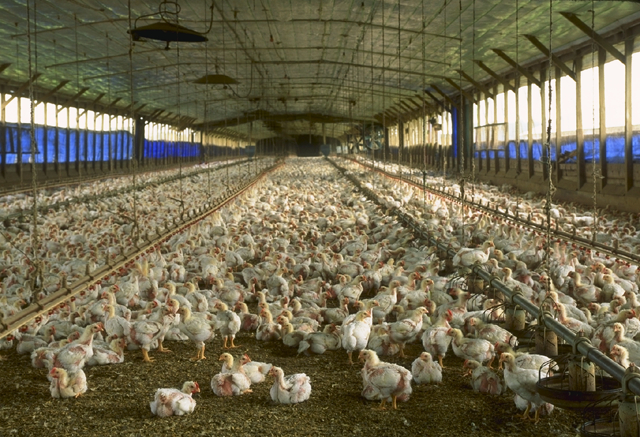
Portions of the Illinois River watershed extend into northwest Arkansas, an area that also happens to be one of the most poultry-dense regions in the country. Thousands of Arkansas growers operate under contracts with large poultry integrators, raising birds and managing poultry litter generated by those operations.
The court determined that poultry litter applied to land over many years contributed to elevated phosphorus levels in streams feeding the watershed. As a result, new restrictions on litter application will directly affect Arkansas growers whose land falls within regulated zones.
Changes to Litter Management Practices
One of the most immediate impacts for Arkansas growers will be stricter limits on where and how poultry litter can be applied. Under the ruling, soil phosphorus levels will determine whether fields are eligible for litter application. Fields exceeding thresholds may be prohibited from receiving additional litter altogether.
For growers, this could mean:
- Increased costs to transport litter farther away
- Greater reliance on alternative disposal or treatment methods
- Reduced flexibility in nutrient management plans
- Additional testing and record-keeping requirements
Some growers may need to contract with third-party haulers or invest in new storage and handling systems to remain compliant.
Economic Pressure on Contract Growers
Although the cleanup costs are assigned to poultry integrators, industry leaders have warned that expenses could trickle down to growers through tighter contracts, reduced flock placements, or changes in litter management responsibilities.
Arkansas poultry growers operate on thin margins, and many depend on litter as both a fertilizer resource and a cost-saving byproduct. Increased restrictions could raise operational expenses at a time when many farmers are already facing higher feed, fuel, and equipment costs.
Potential Industry Shifts
Some industry observers believe the ruling could accelerate changes already underway in poultry production, including:
- Expanded use of alternative litter treatments
- Greater investment in phosphorus reduction technologies
- Shifts in where poultry houses are built or expanded
- More centralized litter processing facilities
There is also concern that prolonged regulatory pressure could make some areas less attractive for future poultry expansion, potentially slowing growth in certain Arkansas counties.
Environmental and Community Considerations
Supporters of the ruling argue that improved water quality benefits Arkansas residents as well, particularly downstream communities that rely on rivers and lakes for recreation, tourism, and drinking water. Reduced phosphorus runoff could help limit algal blooms and improve aquatic ecosystems across state lines.
State environmental officials say the challenge moving forward will be balancing environmental protection with economic sustainability for farmers who were not directly responsible for regulatory decisions made decades ago.
What Happens Next
Implementation of the cleanup plan will unfold over several years, beginning with the appointment of a court-approved special master who will oversee remediation efforts and compliance. As the plan develops, Arkansas growers can expect updated guidance on litter application limits and nutrient management standards.
Appeals remain possible, but the ruling signals a long-term shift in how poultry waste is regulated in the region.
For Arkansas poultry growers, the decision represents both a regulatory challenge and a turning point — one that may reshape litter management practices, contract relationships, and the future footprint of poultry production in the watershed.