

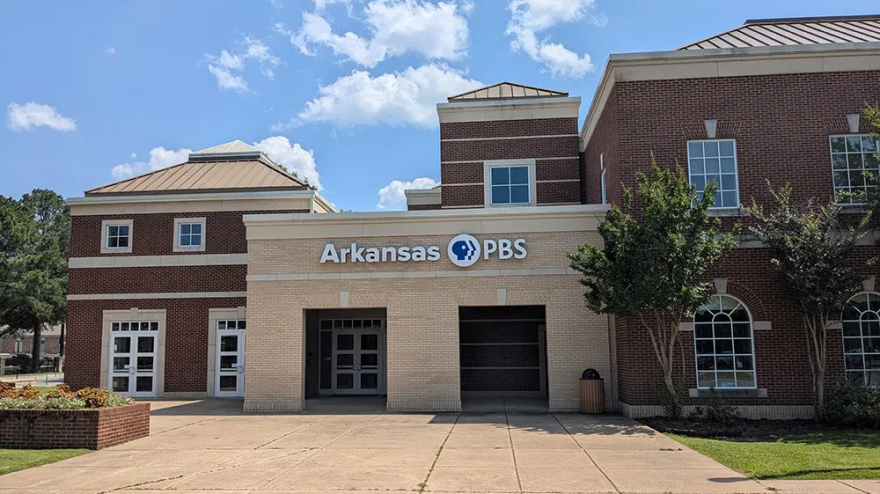
LITTLE ROCK, Ark. — The dissolution of the Corporation for Public Broadcasting (CPB) has hit Arkansas hard, leading to the state’s public television network becoming the first in the nation to sever ties with PBS and rebrand as Arkansas TV.
In December 2025, the Arkansas Educational Television Commission voted 6-2 to end its affiliation with PBS effective July 1, 2026. The decision came after the loss of approximately $2.5 million in annual federal funding from CPB—roughly 20% of the network’s budget—which had helped cover PBS membership dues of a similar amount.
The network, formerly known as Arkansas PBS, cited the funding shortfall as making continued affiliation “not feasible.” Executives expressed optimism about the shift, planning to focus on locally produced content, including new children’s shows, food series, and history programs. “Public television in Arkansas is not going away,” said CEO Carlton Wing, emphasizing a sustainable model with increased Arkansas-focused storytelling.
Critics, including PBS spokespeople and some state Democrats, called it a “blow to Arkansans,” arguing viewers will lose free over-the-air access to beloved national programs like Sesame Street, Nova, Frontline, and Masterpiece. One advocate noted it “goes against the will of Arkansas viewers,” especially after donors contributed $500,000 in response to the initial funding cuts.
Impact on Public Radio
Arkansas’s three public radio stations (including KUAR in Little Rock, KUAF in Fayetteville, and KASU in Jonesboro) also lost CPB support but chose to retain NPR affiliations. They are seeking alternative funding to continue national programming while expanding local coverage.
Broader Context
The CPB’s shutdown stems from GOP-led congressional cuts exceeding $1 billion, signed into law by President Trump amid claims of bias in public media. While national PBS and NPR programming continues via private donations and other sources, rural and smaller stations nationwide face challenges. Arkansas’s move positions it as a pioneer in adapting to the new reality, though some fear reduced access to educational and cultural content for families, particularly in underserved areas.
Viewers can expect minimal changes through June 2026, with the full transition in July. Some PBS content may remain available via streaming services.
For updates, visit the network’s site (now transitioning to Arkansas TV) or contact local stations.
