

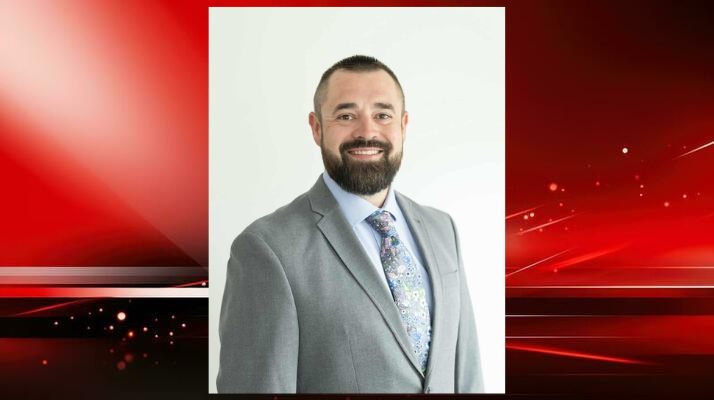
LONOKE COUNTY, Ark. — A two-day pretrial hearing in the case of State of Arkansas v. Aaron Spencer concluded Wednesday, revealing significant disputes over how key evidence was handled in the early stages of the investigation. Testimony, procedural rulings, and heightened courtroom security marked a hearing that will help shape what jurors ultimately see when the case goes to trial.
Day 1: Courtroom Security Tight, Evidence Motions Decided
Tuesday’s proceedings began under unusually heavy security measures. Arkansas State Police troopers were stationed throughout the courthouse, and drones were observed operating above the building. At one point, the courtroom was temporarily evacuated and searched over concerns that updates from inside the hearing were being publicly shared.
During the first day, Circuit Judge Barbara Elmore ruled on several motions regarding what evidence will be admissible:
- The court denied the defense’s request to dismiss the case on Fifth Amendment grounds.
- An FBI agent will be allowed to testify about cell site location data, even though both sides have already agreed on Spencer’s location at the time of the incident.
- Prosecutors will be permitted to introduce body camera footage and statements from a July 2024 police response, allowing material from a prior incident to be shown to the jury.
The hearing also saw tensions between the bench and the defense team. At one point, an individual on Spencer’s defense team was removed from the courtroom during a dispute involving the use of a cellphone to research case law.
The first day concluded with the judge indicating that remaining issues, including evidentiary disputes, would carry over to Day 2.
Day 2: Evidence Handling Under Scrutiny
Wednesday’s session focused almost entirely on the handling, storage, and documentation of evidence collected by the Lonoke County Sheriff’s Office. Testimony from four deputies, along with a digital forensics expert for the defense, revealed multiple inconsistencies and procedural gaps.
Key Testimony and Findings:
- No photographs were taken of the dash camera reportedly recovered from Michael Fosler’s vehicle.
- Deputies took approximately 20 photos total of the scene, including the vehicle that investigators said held six SD cards.
- Deputy McCain testified he photographed only the exterior perimeter of the truck and did not enter the cab, though he also testified to finding Fosler’s wallet under the driver’s seat.
- Neither Fosler’s nor Spencer’s vehicle was fully processed until June 2025, months after the incident.
- A search warrant for Fosler’s electronic devices was executed in October 2025, resulting in numerous devices being recovered—many still awaiting analysis.
- The dash camera was not entered into evidence until October and was reportedly stored in a manila envelope in a cabinet, not in the evidence room.
- McCain testified he removed the SD card and viewed portions of the footage but did not watch the full videos, contradicting his prior sworn affidavit.
- A second deputy testified that he informed McCain about the dash camera around 3:00 a.m., conflicting with McCain’s statement that he learned of it after 5:15 a.m.
- Deputies acknowledged turning off body cameras when criminal investigators arrived, despite department policy prohibiting this.
- When the camera was later examined by the Arkansas Attorney General’s Office, it contained no SD card and no internal memory.
Defense Expert Testimony
A digital forensics expert testified that:
- The camera’s software saves recordings in short, standardized segments, making the existence of a single 15-minute continuous video unlikely.
- The SD card locking mechanism prevents accidental removal, suggesting any removal would require intentional action.
Next Steps
Judge Elmore said she will issue rulings on the remaining evidentiary matters in January, ahead of the trial.
The pretrial hearings underscored the central issues likely to dominate the case going forward: the admissibility of certain evidence, the condition and chain of custody of key items, and conflicting testimony from investigators involved in the initial response.
I’m Aaron Spencer. I’m a father, 82nd Airborne veteran, and fighter for justice. I’m running for Sheriff to protect our kids, our families, and restore trust in the Lonoke County Sheriff’s Office.https://t.co/zOBrAuySwM pic.twitter.com/ZD4FeJ3nSf
— Aaron Spencer (@Spencer4Sheriff) October 23, 2025
