

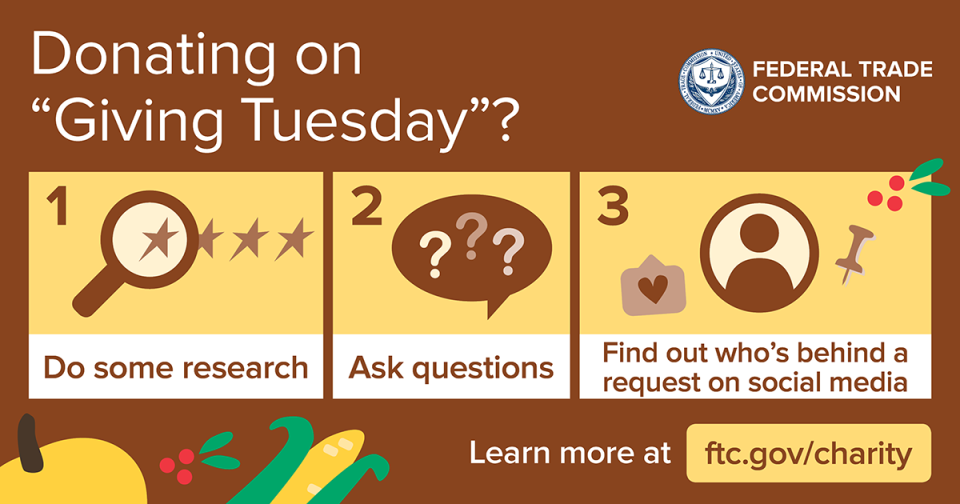
As nonprofits across the country prepare for Giving Tuesday, a day dedicated to generosity and charitable giving, consumer advocates are reminding donors to stay vigilant. While millions of Americans will use the day to support causes close to their hearts, scammers also view it as an opportunity to profit from unsuspecting generosity.
Giving Tuesday, launched more than a decade ago, has grown into a global movement encouraging people to support organizations that provide everything from animal rescue and homelessness assistance to medical research and disaster relief. But with that growth comes increased risk — charity fraud costs the public millions of dollars each year.
How to Ensure Your Donation Is Going to the Right Place
The safest first step is to verify the organization before you give. Websites such as Give.org, which partners with the Better Business Bureau, allow donors to check whether a charity is legitimate and operating ethically. Charity Navigator and the IRS Tax-Exempt Organization Search also provide reliable information.
Another common risk involves deceptive charity names. Scammers often create organizations with names intentionally similar to well-known nonprofit groups. A fraudulent name may differ by only one word or even one letter. For example, a scammer might impersonate a well-known veterans’ organization by using a nearly identical name intended to confuse donors.
Experts recommend giving directly through an organization’s official website and avoiding third-party links sent through texts, instant messages, or unsolicited emails.
Red Flags to Watch For
Before donating, take a moment to reflect on the following warning signs often associated with scams:
🚩 Emotional Manipulation
If a fundraising pitch attempts to overwhelm you with sadness, fear, or urgency, pause and research. Scammers rely on emotional pressure to stop you from thinking clearly.
🚩 High-Pressure Tactics
No legitimate charity will insist that you donate immediately or claim that “time is running out.” Requests designed to rush you are a major warning sign.
🚩 Unusual Payment Requests
Gift cards, prepaid debit cards, wire transfers, and cryptocurrency payments are frequently used in scams because they are difficult to trace or reverse.
🚩 Inconsistent or Suspicious Stories
If details about the charity’s purpose, staff, or financial structure don’t add up, trust your instincts. Many scams crumble under basic scrutiny.
🚩 “You Won a Prize — Now Pay Up”
If you’re told you’ve won something but must send money first, it’s a scam. Prizes never require payment.
🚩 Offers That Are Too Good to Be True
Unbelievably cheap vehicles, surprise inheritances, or extravagant work-from-home opportunities are classic lures used by fraudsters. If it sounds impossible, it usually is.
How Arkansans Can Stay Safe While Giving
Authorities in Arkansas advise residents to:
- Donate directly through a nonprofit’s official website
- Avoid giving personal or financial information over the phone
- Double-check unfamiliar charities through trusted resources
- Report suspicious solicitations to the Arkansas Attorney General’s Office
As Giving Tuesday approaches, generosity will be on full display across the state. With a few simple precautions, donors can ensure their contributions make the impact they intend — safely and securely.
