

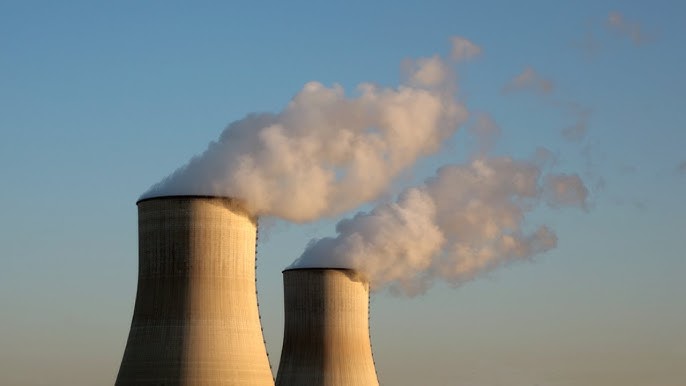
NEWARK, Ark. — The Independence Steam Electric Station near Newark, Arkansas, is set to shut down its two coal-fired generators by 2030, aligning with a 2018 settlement between Entergy Arkansas, the Arkansas Electric Cooperatives (AECC), municipal utilities, and the Sierra Club of Arkansas. This agreement, which also mandates the closure of the White Bluff plant in southeast Arkansas by 2028, marks a significant shift in the state’s energy landscape as utilities plan to replace the lost coal capacity with cleaner alternatives.
Entergy Arkansas, the majority owner of both the Independence and White Bluff plants, along with AECC and several municipal utilities, has been working to ensure a reliable electric supply beyond the coal shutdowns. On April 22, 2025, the City Water & Light Board of Directors in Jonesboro approved 10 agreements to secure power for the next 40 years. Under this plan, AECC will take majority ownership and management of the 1,245-acre Independence site, proposing to build a large natural gas-fueled generating plant, pending environmental and regulatory approvals. Entergy will solely own and redevelop the 2,100-acre White Bluff site to serve its customers.
Jonesboro will own 15 percent of the power produced by the proposed Independence gas plant, while Conway, which approved similar agreements, will hold a 2 percent stake. The City of West Memphis is also a co-owner of the new plant. The use of existing sites and power grid infrastructure aims to streamline the transition, avoiding lengthy and costly processes. However, the Arkansas Public Service Commission (APSC) must approve the ownership agreements and, subsequently, the specific replacement resource before construction can begin.
The Sierra Club’s lawsuit highlighted the environmental impact of the coal plants, built around 1980, noting their contribution to unhealthy pollution and haze affecting areas like the Buffalo National River. While natural gas is a cleaner alternative to coal, the transition raises questions about long-term sustainability and whether it fully addresses the environmental concerns that prompted the closures. The lack of finalized details on the replacement resource adds uncertainty, though the collaborative approach among utilities signals a strategic effort to maintain energy reliability.
